


Introduction
Lovebirds, members of the genus Agapornis, are admired for their beauty, intelligence, and strong pair bonds. Breeding these parrots is not just about pairing two birds—it is about ensuring the health, temperament, and genetic integrity of future generations. Today, aviculturists and serious breeders are focusing on smart breeding and genetic planning to maintain strong bloodlines, prevent hereditary weaknesses, and protect the long-term sustainability of lovebird populations.
Quick Answer
Smart breeding and genetic planning in lovebirds focus on strengthening bloodlines, preventing inbreeding, and maintaining vibrant color mutations. By carefully pairing birds, tracking lineage, and managing aviaries responsibly, breeders ensure healthier, longer-living lovebirds with strong immune systems and stable temperaments.
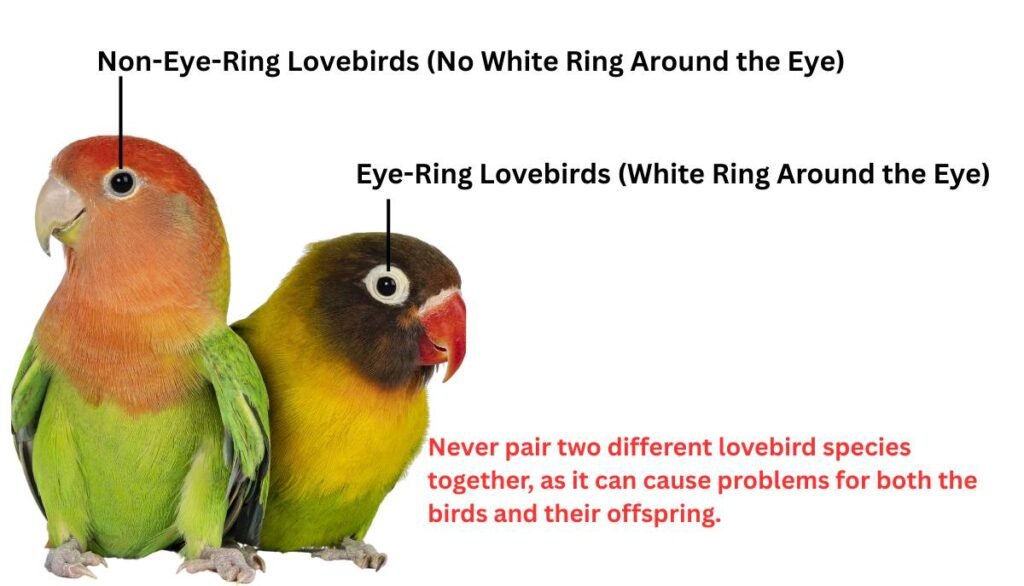
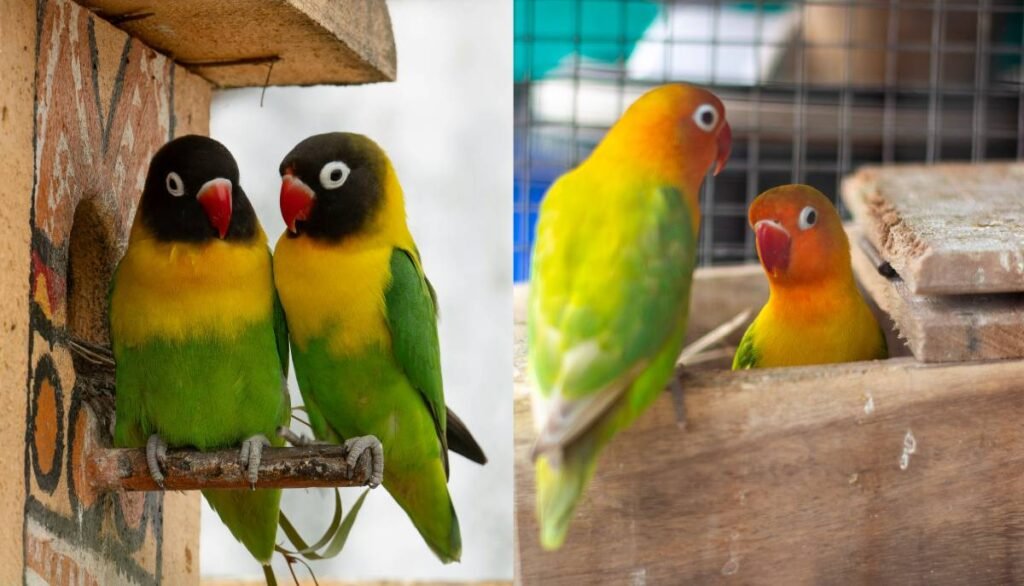
The white eye ring is the most obvious visual marker to distinguish between the two groups.
Breeding note: Eye-ring species typically do not naturally crossbreed with non-eye-ring species, which helps maintain their species identity.
Why Smart Breeding Matters
The days of random pairings and uncontrolled breeding are behind us. Smart breeding emphasizes:
- Genetic Strength – reducing the risk of inbreeding and inherited disorders.
- Longevity & Health – producing birds with robust immune systems and fewer deformities.
- Stable Temperaments – fostering lovebirds that adapt better to aviary life and companionship.
- Market Value – well-bred lovebirds from trusted bloodlines hold greater value in aviculture.
When breeders prioritize these goals, the results benefit not only their aviaries but the global lovebird community.
Principles of Genetic Planning
1. Line Breeding vs. Inbreeding
Line breeding enables the reinforcement of specific traits—such as strong plumage, fertility, or rare color mutations—without the detrimental effects of close inbreeding. Aviculturists carefully track pedigrees to avoid pairing siblings or parent-offspring combinations, as these can often lead to genetic weaknesses.
2. Managing Color Mutations
Lovebirds are known for their stunning mutations:
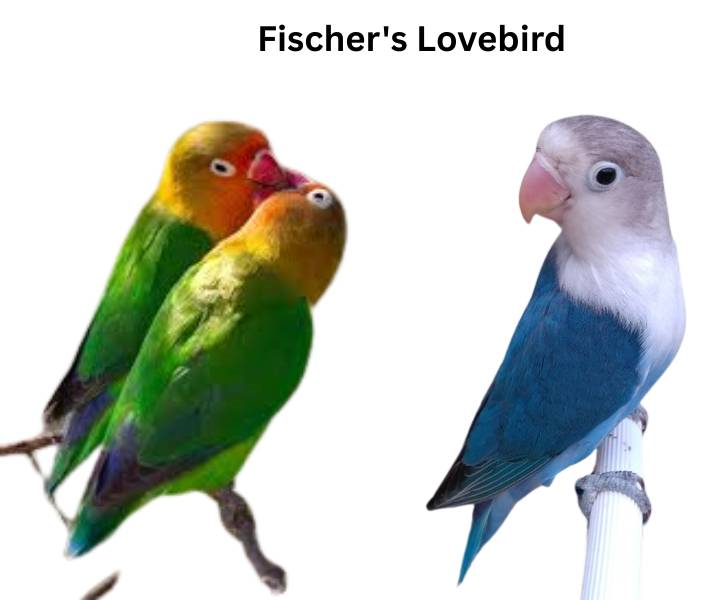
Fischer’s Lovebird (Agapornis fischeri) appears in striking color forms, including blue with soft sky shades, violet with deep vibrant tones, and albino, displaying pure white feathers with red eyes
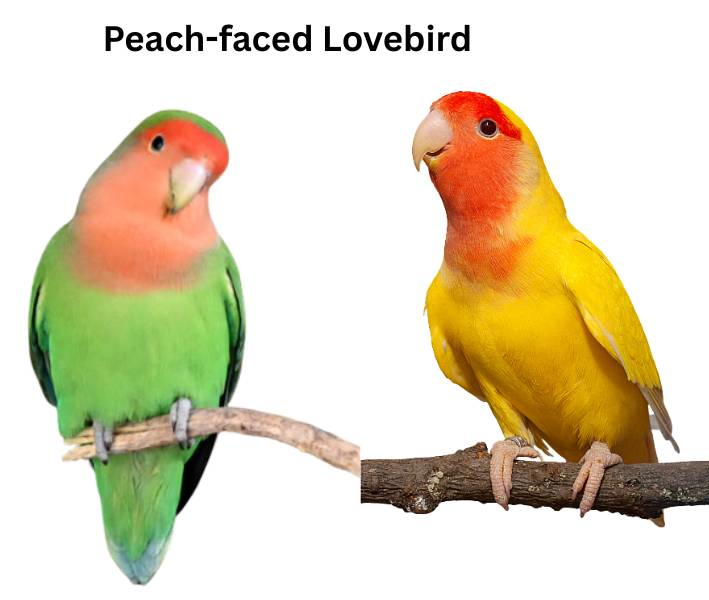
The Peach-faced Lovebird (Agapornis roseicollis) is admired in aviculture, exhibiting diverse forms, including opaline with bright, patterned plumage, lutino with vivid yellow feathers and red eyes, and pied with charming color patches.
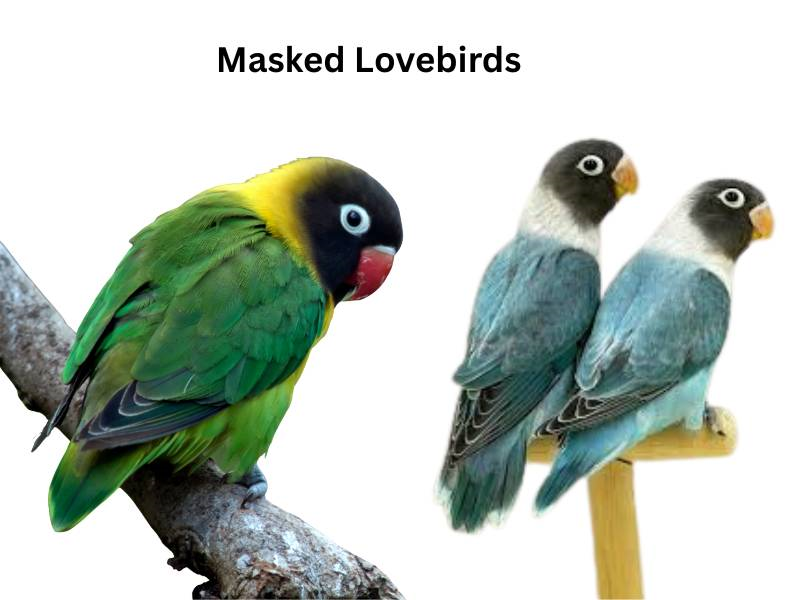
The Masked Lovebird (Agapornis personatus) is a striking species characterized by its distinctive dark facial mask, which appears in captivating mutations, including cobalt with rich blue tones, turquoise with softer shades, and bright yellow plumage.
Genetic planning ensures these traits remain vibrant while preventing the dilution of purity through uncontrolled hybridization.
3. Avoiding Genetic Disorders
Weak hatchlings, infertility, and deformities are warning signs of poor breeding practices. Keeping records of pairings, fertility rates, and chick survival is essential to maintaining genetic health.
Building a Sustainable Aviary
A strong breeding program is supported by a well-managed environment. Smart breeders invest in:
- Purpose-designed aviaries with natural light, ventilation, and safety.
- Balanced nutrition, including seeds, fresh vegetables, cuttlebone, and mineral supplements.
- Controlled breeding seasons to avoid exhausting pairs with continuous clutches.
- Detailed record-keeping of bloodlines, hatch dates, and lineage history.
Such practices safeguard the welfare of the breeding stock while securing healthier offspring.
A well-structured aviary is the foundation of any successful breeding program. For step-by-step guidance on setting up the right environment, see our guide on Creating the Perfect Habitat for Lovebirds
The Role of Aviculture Summits & Community Learning
In August 2025, the Grand National Aviculture Summit, held in Lahore, gathered over 500 breeders and enthusiasts. Discussions highlighted smart pairing, genetic preservation, and industry unity as the future of lovebird breeding. Events like these demonstrate how aviculture is transitioning from short-term commercial production to sustainable, long-term strategies. The Nation.
Benefits for Pet Owners and Enthusiasts
Smart breeding not only serves large aviaries; it benefits bird lovers everywhere:
- Birds live longer, healthier lives.
- Stronger immune systems reduce veterinary concerns.
- Owners enjoy affectionate, balanced companions.
- Ethical breeding practices ensure the continued beauty and diversity of lovebirds.
Conclusion
Smart breeding and genetic planning are not trends—they are necessities for the future of lovebirds. By focusing on quality over quantity, aviculturists protect both the health of individual birds and the integrity of entire species. A responsibly bred lovebird is more than a pet; it is the result of knowledge, patience, and respect for avian life.
FAQs
Q1: What is smart breeding in lovebirds?
Smart breeding is the practice of pairing lovebirds carefully to improve genetic strength, maintain healthy bloodlines, and reduce the risk of hereditary weaknesses. It goes beyond random mating by focusing on long-term sustainability.
Q2: Why is genetic planning important for lovebirds?
Genetic planning helps prevent inbreeding, ensures stronger immune systems, maintains vibrant color mutations, and supports the overall health of lovebird populations.
Q3: How can breeders avoid inbreeding in lovebirds?
By keeping accurate records of bloodlines, avoiding sibling or parent-offspring pairings, and practicing line breeding only under controlled circumstances.
Q4: Which lovebird species are most commonly bred?
The most popular species include the Peach-faced Lovebird (Agapornis roseicollis), Fischer’s Lovebird (Agapornis fischeri), and Masked Lovebird (Agapornis personatus). Each species also has multiple color mutations.
Q5: What are the benefits of smart breeding for pet owners?
Pet owners enjoy healthier, longer-living birds with stable temperaments, reduced disease risk, and vibrant plumage—all results of responsible breeding practices.