
Find expert answers to the most frequently asked questions about lovebirds. Learn about breeding, feeding, cage setup, chick care, and health tips from Tahir Ilyas, professional aviculturist.
Are lovebirds easy to breed?
Breeding lovebirds is possible even for beginners, but success depends on choosing a bonded, mature pair and providing the right environment. Consistent care, proper diet, and a suitable nesting box are essential for healthy eggs and chicks.
At what age do lovebirds reach breeding maturity?
Lovebirds reach sexual maturity between 8 and 12 months of age. However, it’s best to allow them to breed after 12 months, once their behaviour is stable and their bodies are fully developed.
How many eggs do lovebirds lay — and how long is incubation?
A healthy female usually lays 4 to 6 eggs per clutch. The incubation period lasts 21 to 23 days, and the hen typically starts incubating after the second or third egg.
What diet should I feed a lovebird pair during breeding?

During the breeding season, offer a high-calcium, protein-rich diet. This includes:
Soft food (cooked grains, soaked seeds, boiled egg mash)
Fresh vegetables (like spinach, carrots, corn)
Cuttlebone or mineral blocks for calcium
Small quantities of soaked pulses or sprouted seeds
How can I prevent my lovebird from laying eggs too often?
To prevent excessive egg-laying, reduce breeding triggers:
Limit daylight to 10–12 hours
Avoid nesting material and boxes
Separate male and female temporarily if needed
Feed a balanced diet without over-conditioning foods
Looking to ensure your feathered friend thrives? Don’t forget to check out The Best Diet Plan for Lovebirds: Safe Foods, Portions & Feeding Tips for expert advice on balanced nutrition tailored to your lovebird’s unique needs.
Frequent egg-laying can lead to calcium deficiency and other health issues
What are the signs of egg-binding, and how do I prevent it?
Egg-binding is when a female bird cannot pass an egg. Common signs include:
Swollen abdomen
Fluffed-up feathers
Straining and tail bobbing
Inactivity or sitting on the cage floor
Prevention includes providing calcium-rich food, cuttlebone, and proper humidity in the breeding area.
How do I know if I have a bonded male‑female pair?

A bonded pair will: Sit close together and groom one another
Feed each other (regurgitation)
Spend time inside the nesting box
Show less aggression when housed together
Aggression, chasing, or territorial behaviour usually indicates they’re not bonded yet.
Can different species of lovebirds be safely bred together?
Crossbreeding (like Peach-faced × Fischer’s) is not recommended. Hybrid chicks are often infertile and may have behavioural problems. It’s best to breed same-species pairs to preserve their natural traits and health.
How do I care for chicks — hand‑feeding vs parent‑raising?
If the parent birds are healthy and attentive, natural rearing is the preferred method. For hand-taming or if parents neglect the chicks:
Start hand-feeding at around 10 days old
Use commercial hand-feeding formula
Maintain hygiene and proper feeding temperatures.
Weigh the chicks daily to monitor their growth.
What size cage and nesting box do breeding lovebirds need?
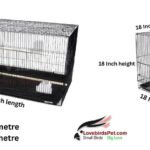
A breeding pair requires a cage that is at least 24″ x 18″ x 18″, with sufficient space for movement and flight. The nesting box should be approximately 8″ x 8″ x 8″, constructed from safe, untreated wood, and kept clean throughout the breeding cycle.
How do I tell a lovebird’s sex? Is DNA testing necessary?
Most lovebirds are monomorphic, meaning males and females look the same.
Some breeders guess based on behaviour or pelvic spacing
For accuracy, DNA sexing through a feather or blood sample is recommended
What basic daily care do lovebirds need — diet, toys, and cleaning?
Daily care includes:
Fresh food and water every morning
Clean cage trays and perches regularly
Provide chew toys, swings, and branches for activity
Allow time outside the cage (in a safe area) for flight and bonding
Lovebirds need both mental stimulation and social interaction to thrive. For a complete guide on setting up a safe, comfortable, and enriching space, visit Creating the Perfect Habitat for Lovebirds