
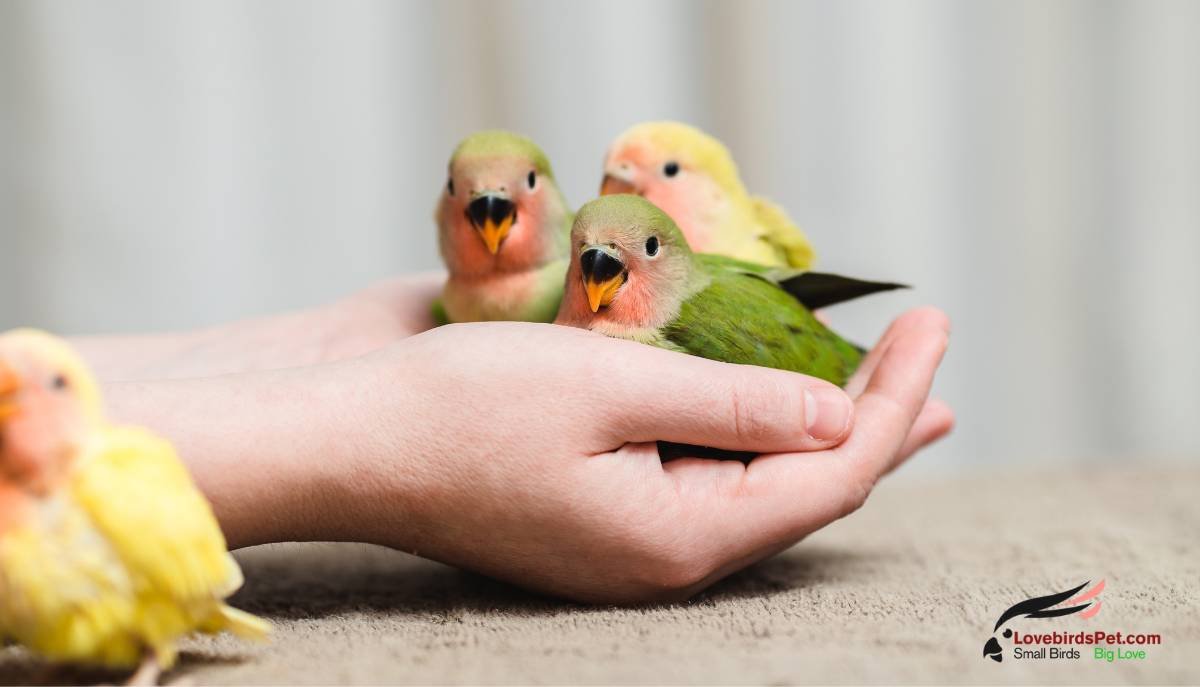

Lovebirds are intelligent, social parrots that thrive on interaction and mental stimulation. However, without proper socialization, they can become withdrawn, aggressive, or overly dependent. Whether you’re working with a newly acquired lovebird or trying to improve the behaviour of one you’ve had for years, socialisation is the key to building trust, reducing fear, and encouraging natural bonding behaviours.
Having worked closely with several species of Agapornis, such as Peach-faced, Fischer’s, and Masked Lovebirds over many years, this guide has been developed through practical experience in combination with careful observation and knowledge of avian behaviour.
Why Socialization Matters for Lovebirds
In the wild, Lovebirds are rarely alone. They live in flocks that form strong pair bonds and require social interaction. A lovebird that is not properly socialised can develop negative behaviour, such as stress-related behaviours:
- Feather plucking
- Screaming
- Cage aggression
- Over-attachment to objects or mirrors
- Aggressive behaviour toward other birds
It provides mental stimulation, a safe environment, and the ability to attach to you (or mate in the wild) properly.
Best Time to Begin Socialisation
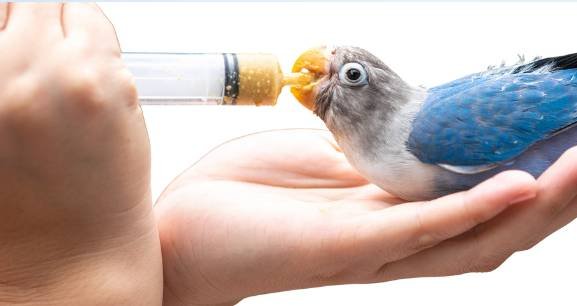
The best time for socialization is during the fledgling stage (4-6 weeks). Creature-appropriated overload can likewise regularly be necessary for these hand-fed babies to adapt faster than most. Adult lovebirds can still be hand-tamed, albeit with gradual and gentle handling.
Socializing Your Lovebird: Step-by-Step Guide
Set Up the Right Environment
Those natural surroundings make a lovebird feel safe.
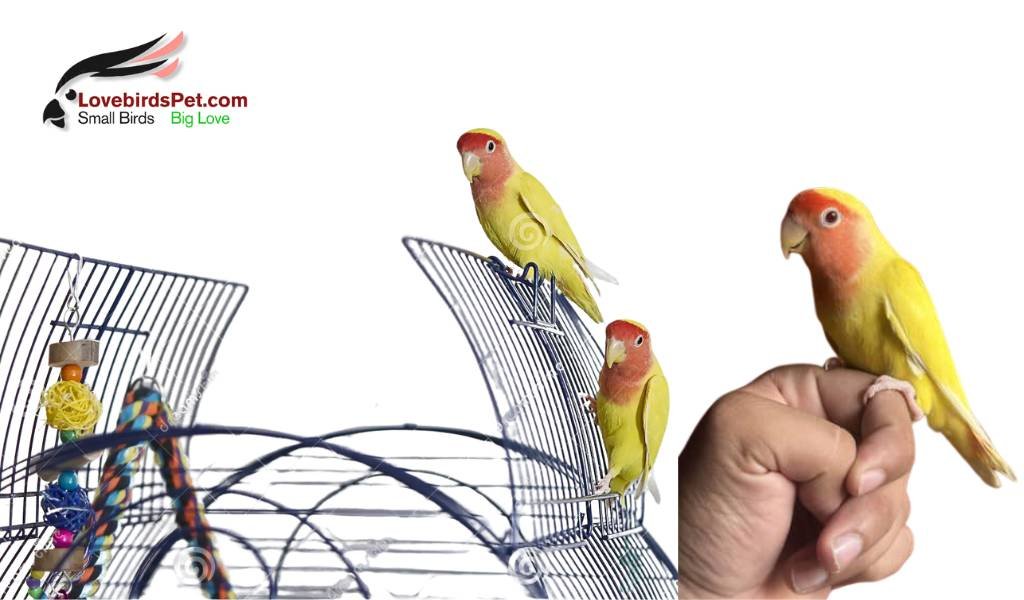
Provide a spacious cage placed at eye level in a quiet, peaceful area.
Don’t forget: Cages should never be in isolation or amidst chaos and noise.
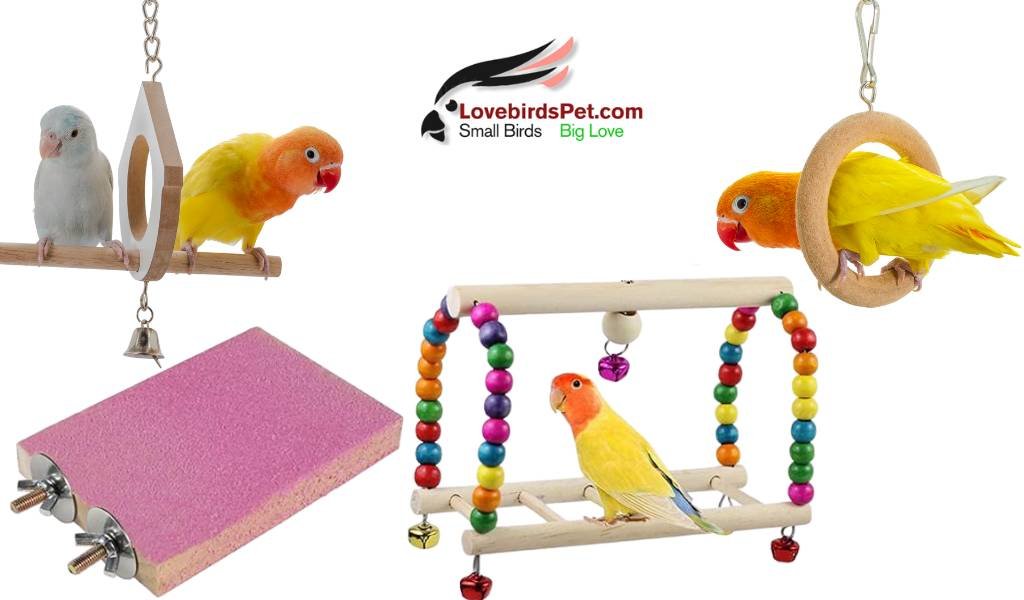
Ensure that a variety of natural perches, toys, and mirrors are provided in moderation.
Good lighting—natural sunlight or a full-spectrum bird light brightens the mood and helps to keep birds awake.
To ensure their wellbeing, lovebirds need more than just affection—they need a carefully crafted environment. For detailed guidance on lighting, temperature, cage materials, and enrichment tools, see Creating the Perfect Habitat for Lovebirds
Observe Before You Interact
There are as many temperaments in lovebirds as there are individuals. Watch its body language before you begin handling:
- Relaxed feathers and chirping = receptive
- Hunched posture, wide eyes, biting = fear or aggression
Spend time by the cage, but without touching him. Get your lovebird used to ur voice and movement.
Use Hand-Taming Techniques
When The Bird Is Relaxed Around You:
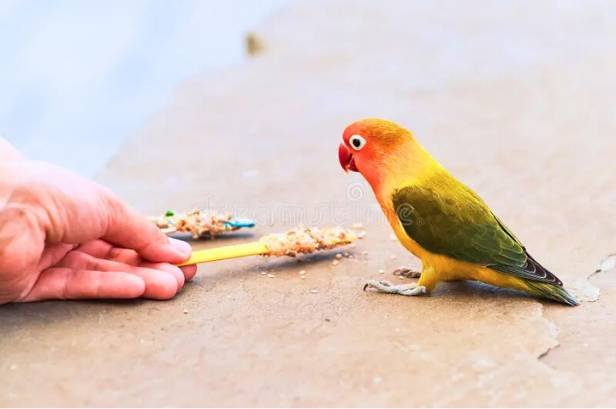
Offer millet sprays or small treats through the bars.
Slowly introduce your hand inside the cage, palm open, no sudden movements.
Use gentle step-up training with a finger perch command.
Never chase the bird around the cage. It breaks trust.
Daily Interaction Builds Routine
Lovebirds learn through routine. Set a consistent time for:
- Talking to your bird softly
- Offering treats
- Allowing short, supervised out-of-cage time
Start with short 5– to 10–minute sessions and gradually increase the duration over time.
Limit Mirror Dependency
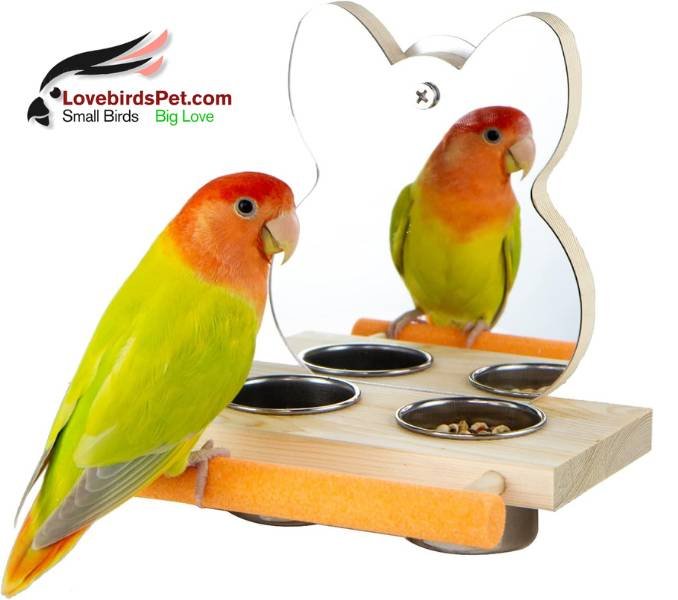
Birds often bond with mirrors. Minimize the use of mirrors if they are the only companion for the bird, as they can become overly attached to it. Replace with foraging toys and interaction.
Common Mistakes to Avoid
- Over-handling too soon
- Inconsistent schedules
- Using force or dominance
- Ignoring fearful body language
- Separating a lone lovebird completely
Remember: bonding is mutual. Your lovebird must learn to trust your hands, your voice, and your presence
Socializing Two Lovebirds Together
Keep 1 pair and keep an eye on their pairing dynamics:
- If both are already bonded, they may be harder to tame individually.
- Tame one first, then use the trained bird’s calm behaviour to influence the second.
- Work with them in separate cages during training sessions
Signs of a Well-Socialized Lovebird
- Steps up willingly
- Accepts food from your hand
- Does not scream excessively
- Preens in your presence
- Responds to your voice or name
Final Thoughts
The properly socialized lovebird is more like a friend than a pet. You will not achieve this overnight, but slowly and patiently, your lovebird will start to trust you, be happy with your company, and possibly show its intelligence as well as affection.
Win the trust of a bird, and you’ll find a joy beyond compare — once the bond is formed, it becomes a lifelong friendship.
“Thank you for reading. If you found this article useful, please share it with others who care for birds and leave a comment with your thoughts. Your feedback helps us improve.”