


Lovebirds (Agapornis) hold a special place in aviculture due to their manageable size, affectionate temperament, and the wide variety of color mutations they display. Over the years, breeders have worked tirelessly to refine and establish new strains, transforming these small parrots from their natural green form into some of the most striking and admired color variations in the bird-keeping world. Their popularity continues to grow as exhibitions, breeder networks, and regional markets create demand for specific mutations.
The Main Species in Aviculture
Three lovebird species form the foundation of color mutation breeding:
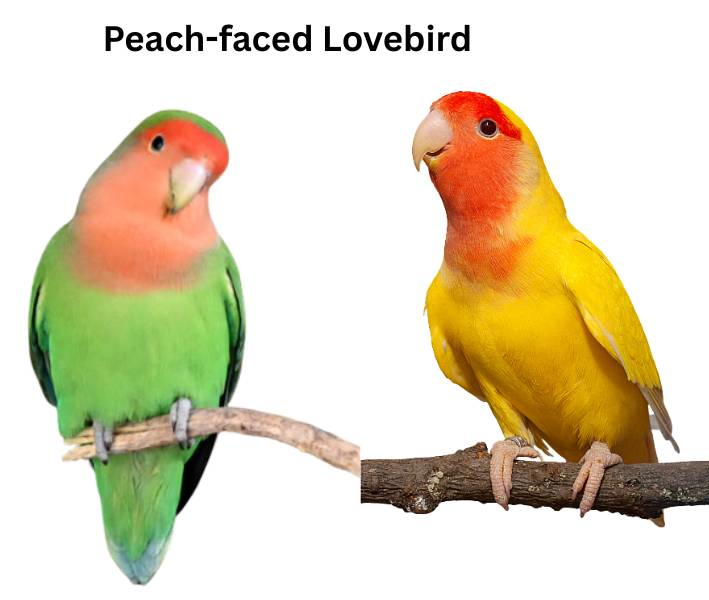
Peach-faced Lovebird (Agapornis roseicollis) – The most commonly kept lovebird worldwide. Its genetic flexibility has given rise to countless mutations, including lutino, opaline, pied, and cinnamon.
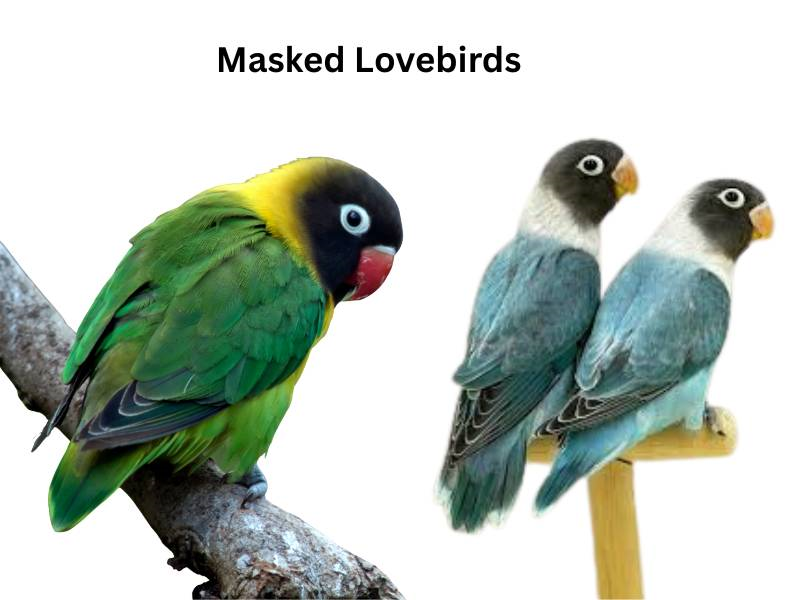
Masked Lovebird (Agapornis personatus) – Famous for its dark facial mask contrasted with bright plumage. It is the main source of cobalt, turquoise, and other blue series mutations.
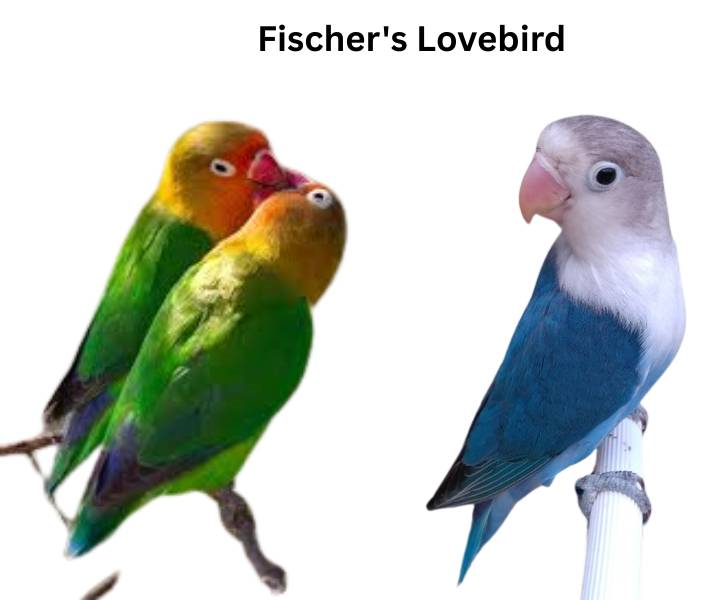
Fischer’s Lovebird (Agapornis fischeri) – A vibrant species valued for its violet, blue, and albino varieties, often featured in competitive shows and exhibitions.
These three species remain the backbone of lovebird aviculture, forming the bloodlines behind most of the colorful mutations available today.
Detailed Look at Popular Mutations
The beauty of mutations lies not only in color but also in their rarity and the skill required to establish stable lines. Some of the most sought-after include:
- Lutino – Known for its striking golden-yellow body and red eyes, lutino remains one of the most admired mutations in South Asia.
- Pied – With irregular patches of yellow or white, pied lovebirds are always unique. Their unpredictability adds to their charm in breeding programs.
- Opaline – Easily recognized by the reddish suffusion across the plumage. Opaline is highly competitive in shows and continues to increase in demand.
- Cobalt & Violet – These deep blue mutations are favorites in European and Middle Eastern markets, with violet often commanding premium value.
- Turquoise – A soft blend of green and blue, turquoise has become more visible in Pakistan and India as breeders focus on blue series lines.
- Albino – Pure white with red eyes, the albino is a rare and elegant creature, often reserved for serious collectors.
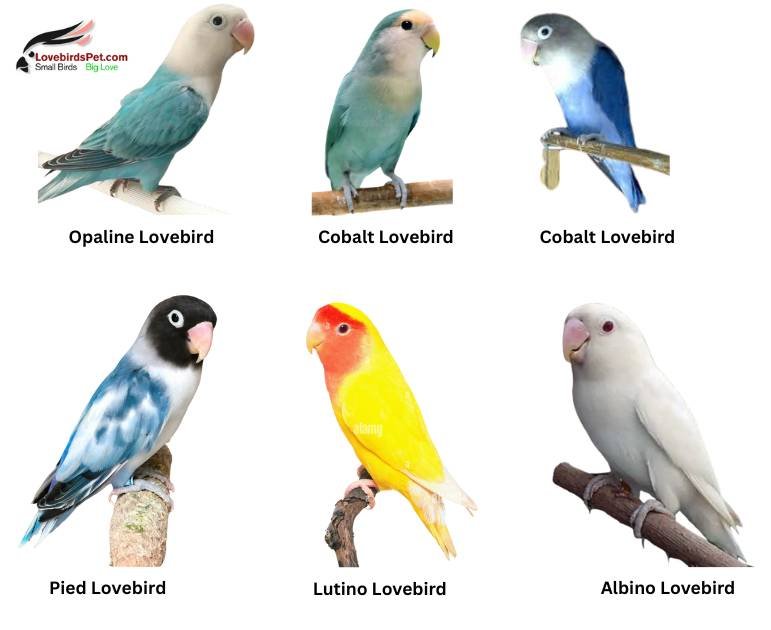
Each mutation reflects years of planning, pairing, and selection, making them not just birds but the result of dedicated avicultural work.
Aviculture Trends & Market Demand
The demand for lovebirds fluctuates over time, influenced by regional preferences, exhibition results, and social media exposure.
- In Pakistan and India, lutino, opaline, and pied dominate local markets due to their bright colors and easy recognition by casual buyers.
- In Europe, cobalt and violet remain leading mutations, with show breeders focusing on quality standards.
- In the Middle East, rare forms, such as Lutino, Albinos, and high-quality Violets, hold the strongest value.
Global exhibitions, such as the Grand National Aviculture Summit, often decide which mutations gain prestige for the coming years. Breeders who succeed in competitions frequently set new trends that spread through the hobby worldwide.
Smart Breeding & Genetic Planning
The success of aviculture does not rely only on color but also on health and sustainability. Modern breeders emphasize:
- Keeping accurate records of bloodlines.
- Avoiding close inbreeding that weakens fertility.
- Balancing demand for popular mutations with efforts to preserve genetic strength.
- Maintaining both physical beauty and a stable temperament.
This careful approach ensures that lovebird breeding remains not only profitable but also ethical and sustainable for future generations.
For a deeper dive into how to create and maintain healthy, sustainable bloodlines, check out our full guide: Smart Breeding & Genetic Planning in Lovebirds
The Future of Lovebird Mutations
As knowledge of genetics and breeding expands, more combinations are being developed. Variants such as violet opaline or turquoise pied are already entering aviculture circles. With continued exhibitions, international breeder cooperation, and the growth of bird clubs, the range of available lovebird mutations will only increase. The future promises more rarity, more refined standards, and stronger global networks among aviculturists.
When Will Lovebird Prices Increase Again in Pakistan?
In Pakistan, lovebird prices have remained low for some years due to oversupply and an increase in casual breeding without proper planning. Many breeders entered the hobby, producing large numbers of common mutations such as lutino and pied, which reduced overall market value.
Prices are likely to rise again when:
- Demand Overtakes Supply – As interest in exhibitions, competitions, and quality breeding programs grows, buyers will seek higher-standard birds rather than common stock.
- Rare Mutations Gain Attention – Mutations such as violet opaline, turquoise, and albino are already creating demand among collectors. Their limited availability can push prices upward.
- Export Opportunities Expand – If Pakistan’s breeders connect with international markets in the Middle East and Europe, where rare birds command higher prices, local rates are likely to improve.
- Awareness of Smart Breeding Spreads – Once breeders focus on quality rather than quantity, the oversupply issue will balance out, and buyers will pay more for healthy, well-bred lovebirds.
While common lovebirds may stay affordable, specialized and rare mutations will see gradual increases in price as aviculture in Pakistan matures.
Final Thought
Lovebird aviculture is more than the pursuit of color—it is the art of combining beauty, genetics, and responsible care. From the radiant lutino to the rare violet opaline, every mutation carries a story of dedication by breeders who shaped it through patience and planning. In countries like Pakistan, the true value of lovebirds will rise when quality, rarity, and smart breeding take precedence over quantity. As global networks of aviculturists continue to expand, lovebirds will not only remain beloved companions but also stand as living symbols of passion, skill, and commitment in the world of aviculture.
Frequently Asked Questions (FAQ)
Which lovebird species are most common in aviculture?
The Peach-faced (Agapornis roseicollis), Masked (Agapornis personatus), and Fischer’s (Agapornis fischeri) are the main species kept worldwide. These form the foundation for most color mutations.
What are the most popular lovebird color mutations?
Lutino, opaline, pied, cobalt, violet, turquoise, and albino are among the most sought-after. Each has its own appeal depending on region and market trends.
Why are lovebird prices low in Pakistan?
Prices dropped mainly due to oversupply and uncontrolled breeding of common mutations. Too many breeders entered the market without focusing on quality.
When can we expect prices to rise again in Pakistan?
Prices will increase as demand for rare mutations grows, when export markets open further, and when breeders shift from quantity to quality-focused breeding.
How can breeders maintain strong bloodlines in lovebirds?
Keeping detailed breeding records, avoiding close inbreeding, pairing carefully for both health and color, and introducing fresh bloodlines are essential practices for sustainable aviculture.
Do different regions prefer different lovebird mutations?
Yes. In South Asia, bright mutations like lutino and opaline are more popular. In Europe, cobalt and violet dominate, while the Middle East shows strong demand for rare albino strains.
How can a beginner breeder choose the right lovebird mutation?
New breeders should start with hardy, common mutations, such as lutino or pied, before moving on to rarer types. This helps them learn about genetics and basic breeding practices without incurring significant risk.
What role do exhibitions play in the aviculture of lovebirds?
Exhibitions set standards of quality and influence which mutations gain popularity. Winning birds often spark higher demand for their mutation type in regional and international markets.
How long does it take to establish a stable line of a new mutation?
Depending on the mutation, it may take several generations (3–5 years) of careful pairing and record-keeping before a breeder can stabilize and consistently produce a new color line.
What factors affect the value of a lovebird mutation?
Rarity, color clarity, size, feather quality, and exhibition standards all affect value. Well-documented bloodlines and strong health records also increase market demand.